|
|

|
|



|
|
|
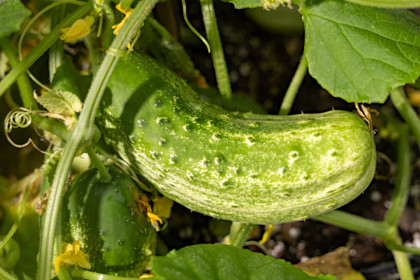
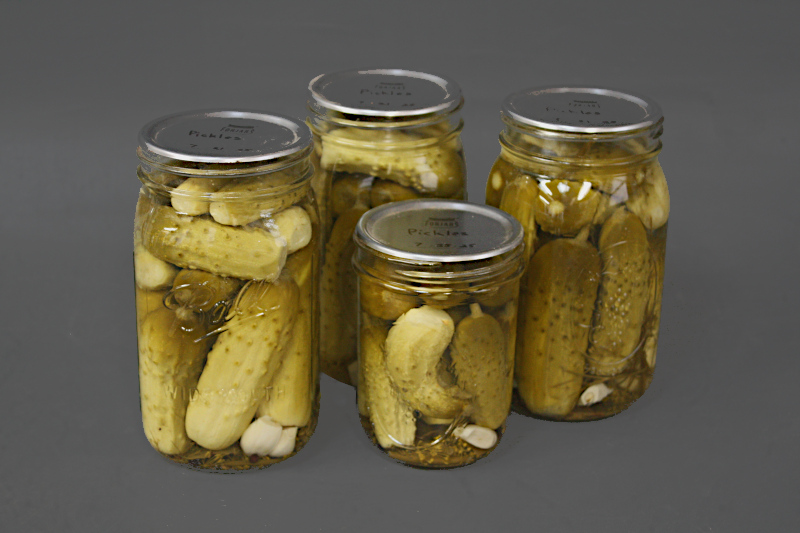
Pictured above are dill pickles I canned last year. I started making pickles seven years ago when I decided to plant sunflowers and then read that cucumbers and sunflowers are excellent companion plants. I decided to add cucumbers to the grow list and I chose to plant pickling cucumbers because once in the distant past I made dill pickles, and for decades it has been one of those things that I always thought I should do again, but never did. Both the sunflowers and cucumbers did very well and I soon had so many cucumbers that I knew the time had come to make pickles again. I remembered very little of the process, but there is an overwhelming amount of information out there and I chose a basic recipe for dill pickles. At the same time I planted the cucumber seeds, I planted dill in a container so by harvest time I had plenty of flowering dill stems to choose from. When choosing the cucumber seeds I went with a variety named Homemade Pickles. How could I go wrong with a name like that? I was later to learn that the Homemade Pickles cucumber is an heirloom variety specifically bred for pickling at home. I've also learned from study and experience that this variety of cucumber is high-yielding, vigorous, disease-resistant, and the bush-type plants are ideal for smaller gardens, raised beds, and limited spaces. |
|
The plants produce an abundance of cucumbers that are ideal for pickling due to their thick skins, small seed cavities, and firm texture. In my case, a dozen or so plants yield more than enough cucumbers for the 40 quarts and eight pints that I can each year. I've come to that number because it's enough for me to give some away and have pickles throughout the year until the next canning season. When I reach my quota, usually by the end of July, I pull out all but the two most vigorous plants and open up the remaining space for some other crop, usually beets or carrots. Cucumbers from the remaining plants are used for salads and stir-fries. |
|